As we know, our classrooms are filled with students from diverse backgrounds (Bright, 2021). As multiculturalism, SOGI, and anti-racist practices become the forefront of our teaching careers, the literature we choose to fill our classrooms plays a big part in how our students feel welcome and included. In previous blog posts, I have explored Jo Chrona’s words and her question, “If Not Here, Then Where?” (Chrona, 2022) This question forced me to reflect on an uncomfortable truth about reconciliation in Canada. If reconciliation and meaningful change in education aren’t happening in our classrooms, then they aren’t happening anywhere. This reflection made me realize just how important it is to have indigenous literature in your classroom, and not just a few books, but a large majority of your classroom library. Here is a summary of books I would include in my diverse classroom library and how I would do so respectfully and ethically.
Indigenous Books (Ktunaxa)
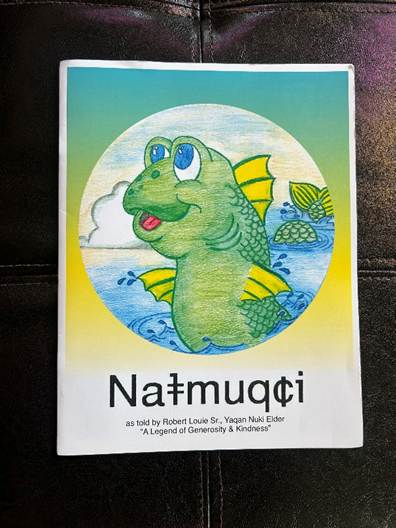
Naⱡmuqȼi – Traditional – Told by Robert Louie Sr.
This simple picture book is a great way to introduce oral storytelling to students in Grades K-4. It teaches about the Yaqan Nuki (Lower Kootenay) legend of the water creature Naⱡmuqȼi and his love, kindness, and generosity, which allowed him to persevere despite the other animals’ jealousy and complete his task of preparing the land for the special creature coming soon – people. Important discussions when sharing this book with your class could be introducing the idea of oral stories and how this story may be told slightly differently depending on who’s telling it.
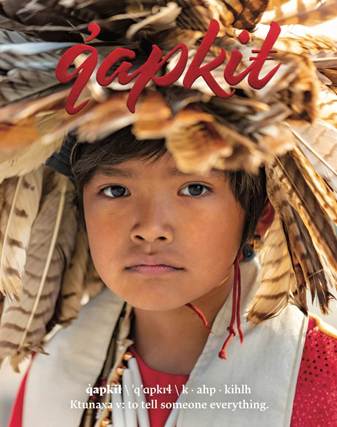
q̓apkiǂ – Ktunaxa Nation Council
q̓apkiǂ is a Ktunaxa word meaning to tell someone everything. This book celebrates the Ktunaxa people by highlighting culture, stories, history, and photos of the 12000-year-old nation that still inhabits the southeast corner of BC, as well as parts of Alberta and Montana. This book is a great introduction for students to get curious about the people who lived here for centuries before us.
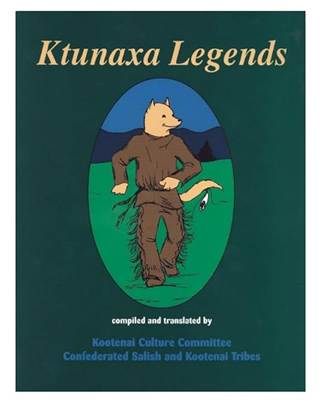
Ktunaxa Legends – Traditional – Kootenai Culture Committee
This collection of traditional legends teaches important lessons on being a good human through the lens of animal creatures. Most of these stories are suitable for all learners, but some content may be sensitive for younger readers and should be approached with caution.
Indigenous Books (Canada and Other)
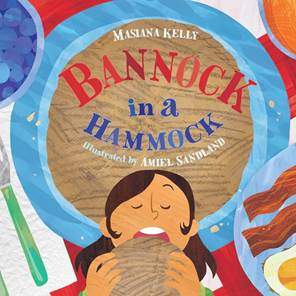
Bannock in a Hammock – Masiana Kelly
This cute little rhyming book is perfect for grades K-3. It teaches of a favourite Inuit treat – Bannock – and the many ways it can be enjoyed. The book even comes with a Bannock recipe, for a cross-curricular connection to math (simple fractions).
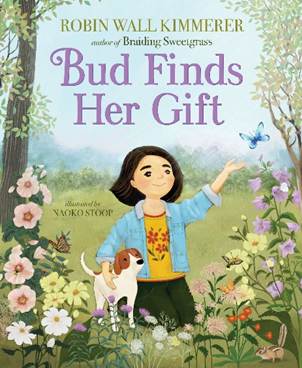
Bud Finds Her Gift – Robin Wall Kimmer
This book follows the story of Bud, who sees many people bustling around doing “important things,” and she wonders what her important thing is. Nokomis, her grandmother, explains that everything has an important gift. They explore the natural world and all the things it provides. Bud finally realizes her gift is to be still, to notice, and to observe. Perfect for all Elementary learners, and a great way to connect ELA to the Science curriculum through highlighting the importance of observation.
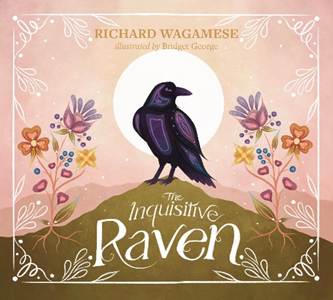
The Inquisitive Raven – Richard Wagamese
I couldn’t go without recommending this book by Richard Wagamese, as it’s already made an appearance in one of my previous blog posts. Similar to Wall-Kimmer’s book about gifts, this book explores the story of Raven as he learns what his gift is that makes him special. For a 3-session lesson plan idea, check out this Google Docs!
BIPOC books
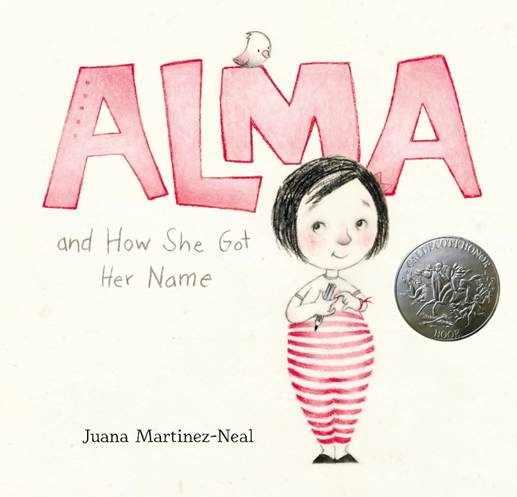
Alma and How She Got Her Name – Juana Matinez-Neal
This book dives into the story of a girl named Alma, Alma Sofia Esperanza José Pura Candela, who feels as though she has too many names. When Alma asks her father, he tells her about all the important people in her life who led to her having so many names. This story invites students to explore their own family history and how they got their name. Check out this lesson plan from Surrey Schools One for more lesson plan ideas!
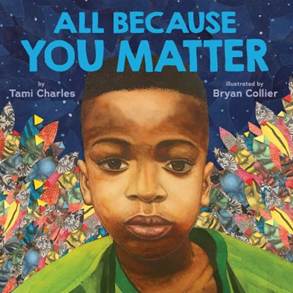
All Because You Matter – Tami Charles
This heartwarming story is for all kids, reminding them that they are important in this world. It tells the story of kids of colour and addresses some of the struggles they may face, but also just how important every single kid is. This book is extremely accessible. Here is a link to a YouTube read-aloud so you can share this book with your class, even on a tight budget.
SOGI Books
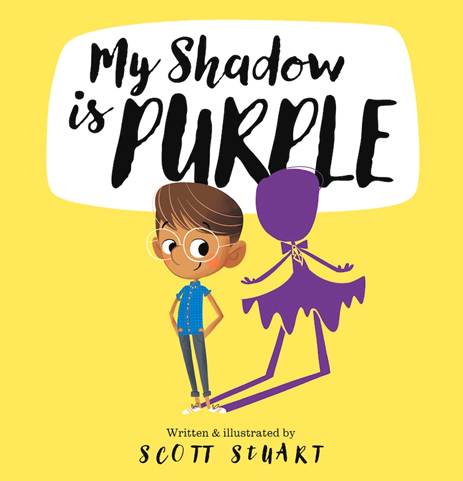
My Shadow is Purple – Scott Stuart
True story about this book: On my practicum, the EA in our class took out this book at lunch time and began reading it to the class. For the rest of the day, the students in our kindergarten class announced prouder than ever, “My shadow is blue!” “My shadow is Yellow!” “My shadow is Purple!” I’m not sure they knew exactly what it meant, but seeing the joy and pride they had in themselves was truly inspiring.
My Shadow is Purple is a story about a kid going through life experiencing the pressures of gender stereotypes and how being yourself is something to celebrate.
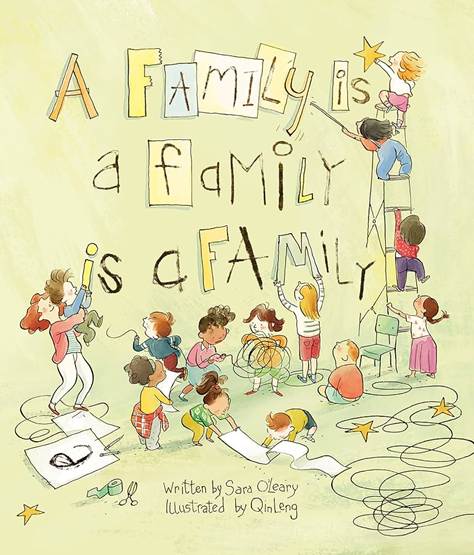
A Family is a Family is a Family – Sara O’Leary
This book opens the dialogue for discussing varied family structures. It explores how, no matter who loves you at home, you can still call them family, and that’s okay. This book is also very accessible, with plenty of read-alouds available. Here is my favourite!
Sources
Robin Bright. (2021). Sometimes Reading Is Hard. Pembroke Publishers. https://ebookcentral.proquest.com/lib/uvic/reader.action?docID=6823802&c=UERG&ppg=154#
https://luudisk.com/2022/04/25/if-not-here-then-where/
https://www.ktunaxa.org/where-to-buy/
https://books.google.ca/books/about/Ktunaxa_Legends.html?id=9IbYAAAAMAAJ&redir_esc=y
https://www.strongnations.com/store/12172/bud-finds-her-gift
https://www.strongnations.com/store/11967/the-inquisitive-raven
https://caledon.bibliocommons.com/v2/record/S192C3944000
https://www.indigo.ca/en-ca/my-shadow-is-purple/9781922503817.html