As I read Jo Chrona’s blog post If Not Here, Then Where? it encouraged me to consider an uncomfortable truth about reconciliation in Canada. If reconciliation and meaningful change in education aren’t happening in our classrooms, then they aren’t happening anywhere. Colonialism in Canada has left us with the option to either move forward with traditional practices, erasing entire nations and cultures for good, or reflect on who we are and where we stand and who stood here before us. Chrona challenges educators to move beyond performative gestures and toward intentional, relational, and sustained action. Her words reminded me that inclusion is not an “extra” and should not be reserved for a special event in certain months of the year. It must be daily and foundational work.
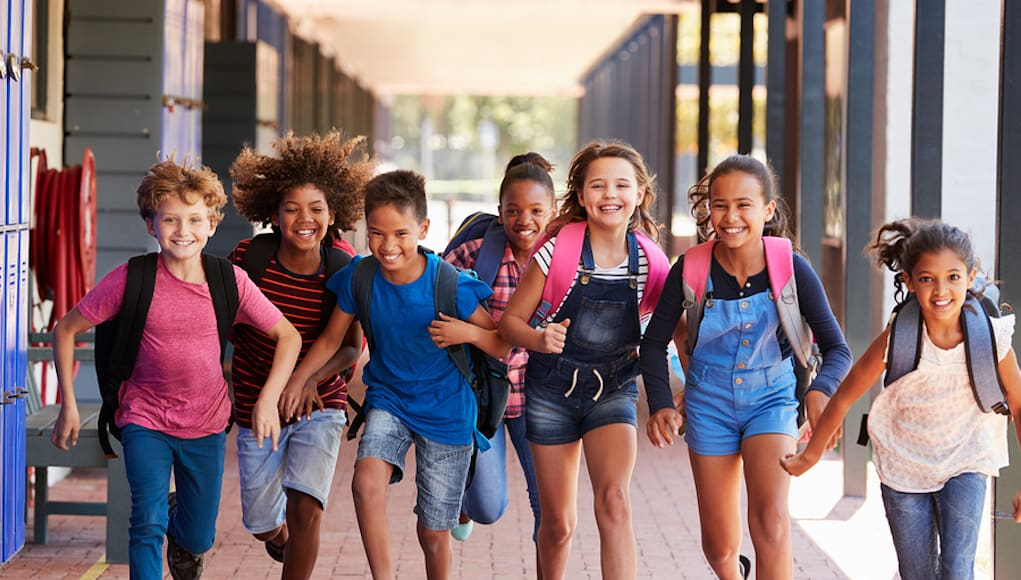
As I reflected on her message, it reminded me of Shelley Moore’s video on inclusive education. Moore emphasizes designing learning spaces where diversity is not something we accommodate after the fact, but something we plan for from the beginning. This idea aligns closely with Chrona’s insistence that Indigenous perspectives should not be layered on top of curriculum as an afterthought or even woven in as “multiculturalism. Instead, they should be a key and foundational part of the learning. I feel as though both educators are asking a very similar question, just in different ways: Who is our system designed for, and who is it leaving out?
This reflection also connected me to the UVic Teacher Competency ten: Engage critically and creatively with ideas to be a change agent in society, especially with regard to equity andjustice. Chrona’s blog pushes me to examine whether my intentions are translating into meaningful practice. The definition of a “Change Agent” made me think of Rita Pierson’s quote: “Kids don’t learn from people they don’t like.” Reflecting on this, I realized it is not just about being liked but also about being trusted. It is about creating a classroom where students see their identities, cultures, and histories reflected and valued. Throughout my reflections in this program, I have built my teaching philosophy around the priorities of social-emotional learning and the cultivation of safe environments. This reflection has allowed me to realize that a culturally responsive practice is also key to this philosophy, as safety is not neutral but rather constructed.
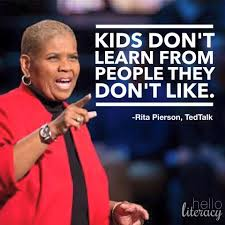
In addition to competency ten, it also reminded me of competency two: Develop a growth mindset demonstrated in collaboration with others. This also brought me back to Rita Pierson and her emphasis on apologizing. Chrona shares an important reflection from another educator on this point, stating, “My intentions did not erase the impact on the learner.” This reminded me that in order to be culturally responsive, I must also accept the areas where I don’t know, become comfortable with saying “I’m sorry”, and maintain a growth mindset when working in my classrooms and schools.
References:
Chrona, J. (2022, April 25). If not here, then where? https://luudisk.com/2022/04/25/if-not-here-then-where/
Moore, S. (2025, January 11). People are NOT supports! Understanding the difference between supports, strategies, and resources [Video]. YouTube. https://www.youtube.com/watch?v=rOlUnnxCspA
Pierson, R. (2013, May). Every kid needs a champion [Video]. TED Conferences. https://www.ted.com/talks/rita_pierson_every_kid_needs_a_champion
University of Victoria. (n.d.). Teacher education competencies. https://onlineacademiccommunity.uvic.ca/teachered/competencies-12/
Mya,
This is a powerful sentence and I wholeheartedly agree! ‘If reconciliation and meaningful change in education aren’t happening in our classrooms, then they aren’t happening anywhere.’ And another quote here that you have, which makes us ponder and reflect upon… ‘Who is our system designed for, and who is it leaving out?’
My question to you is, “What now, what next and how?’ These are the mantra towards our next steps towards inclusion and our calls to action!
Taxa,
Judi